

DevOps: A Practical Approach To Faster And Reliable Software Delivery
5 out of 5 based on 1250 votes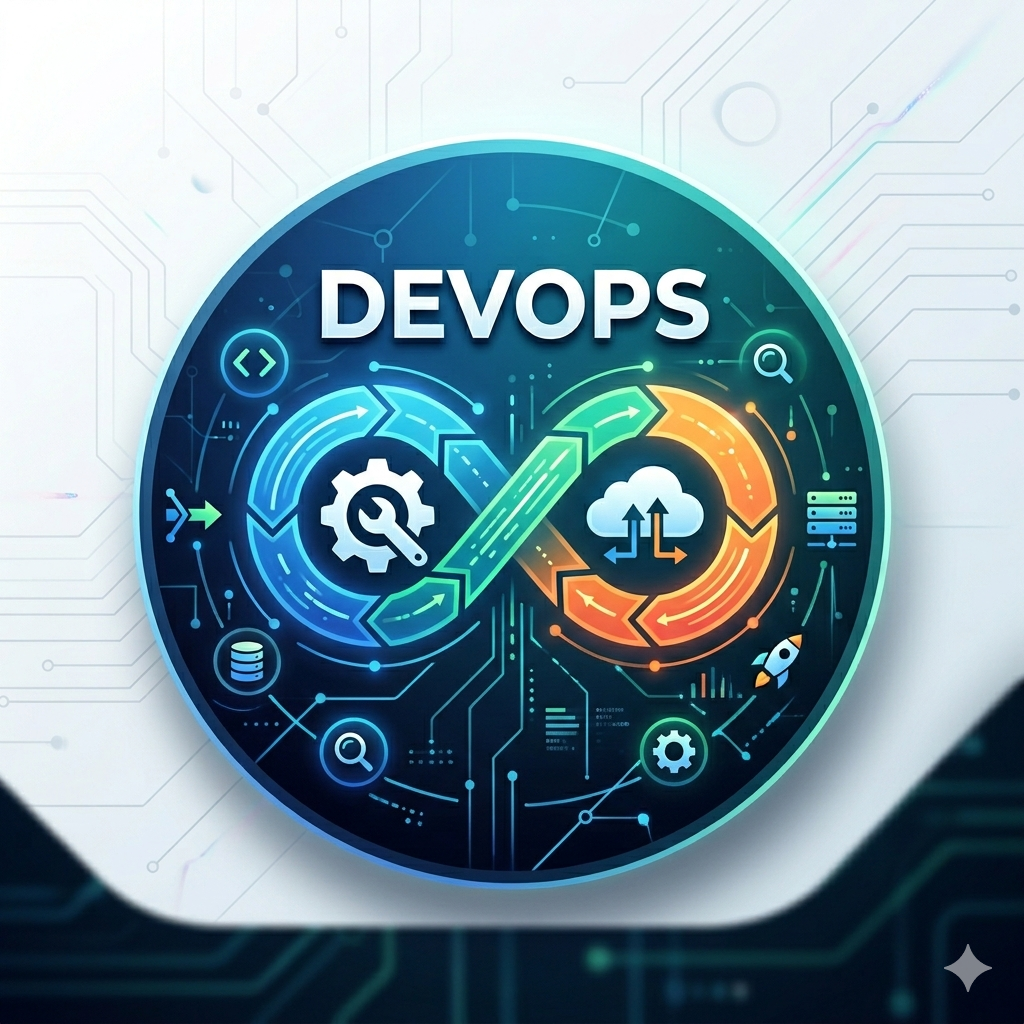
Why DevOps Matters
Organizations today need to release updates quickly without compromising stability. DevOps makes this possible by:
- Automating repetitive tasks
- Reducing manual errors
- Improving collaboration between teams
- Ensuring faster and more reliable deployments
The DevOps Lifecycle
DevOps follows a continuous and iterative cycle:
Plan → Develop → Test → Deploy → Monitor → Optimize
Each phase is interconnected, allowing teams to detect and resolve issues early.
Common Tools in DevOps
- Docker – for containerization
- Kubernetes – for managing containers at scale
- Jenkins – for continuous integration and deployment
- Git – for version control
-
Cloud Platforms (AWS / Azure) – for infrastructure and scalability
Key Skills Required
- Understanding of software development and system administration
- Knowledge of cloud platforms
- Automation and scripting (Shell, Python)
- Familiarity with CI/CD pipelines
- Monitoring and performance optimization
Why Choose DevOps as a Career?
DevOps offers a balanced combination of development, operations, and cloud technologies. It is especially valuable for professionals who want to work on real-world systems, improve efficiency, and contribute directly to business outcomes.
Conclusion
DevOps is more than a technical skill it is a mindset focused on efficiency, collaboration, and continuous improvement. As organizations continue to prioritize faster delivery and system reliability, DevOps will remain a critical part of modern IT environments.





 Get Your Free Demo of Course?